
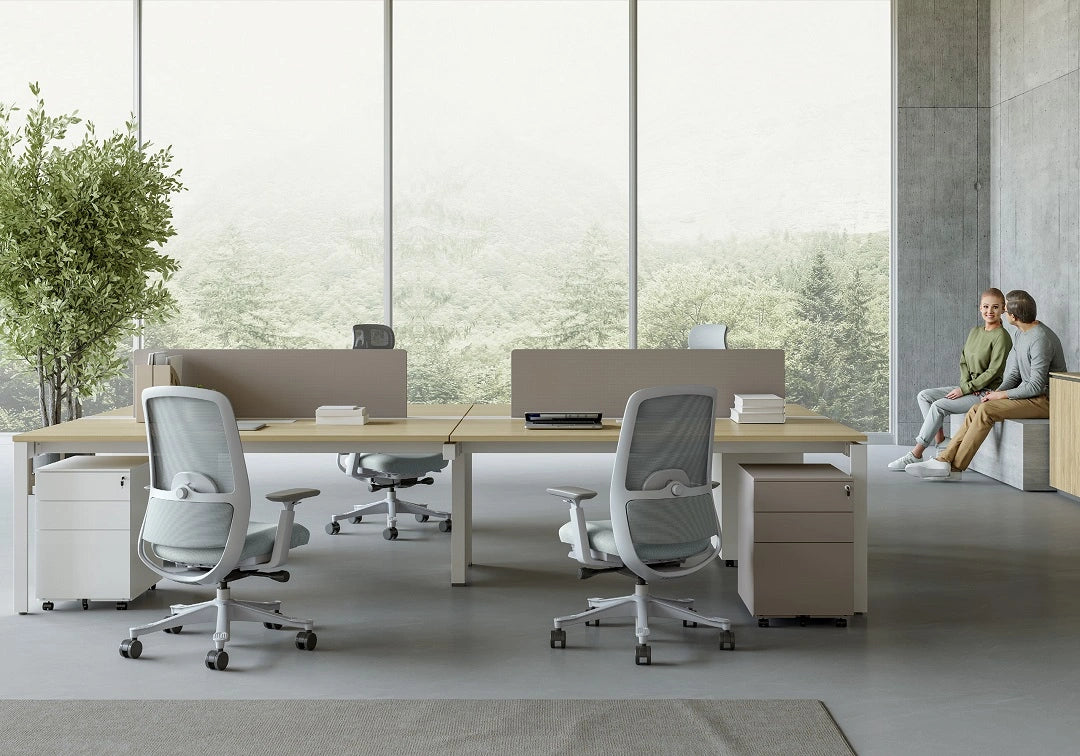
If you’ve shopped for office chairs recently, chances are you’ve seen more and more mesh office chairs taking over the market. They’re light, breathable, modern-looking, and usually more affordable than leather chairs. But like any seating option, a mesh chair comes with its own advantages and disadvantages — and understanding both sides is important if you want to choose the right chair for your workspace or home office.
As someone who has spent nearly two decades inside the office-chair manufacturing industry, watching materials evolve and comfort standards rise, I can tell you this:
A mesh chair is not “good or bad” by itself — it depends on your climate, body type, daily work habits, and what kind of support you actually need.
This guide breaks everything down in simple, human language, backed by real ergonomic insights — not marketing fluff.
What Is a Mesh Office Chair?
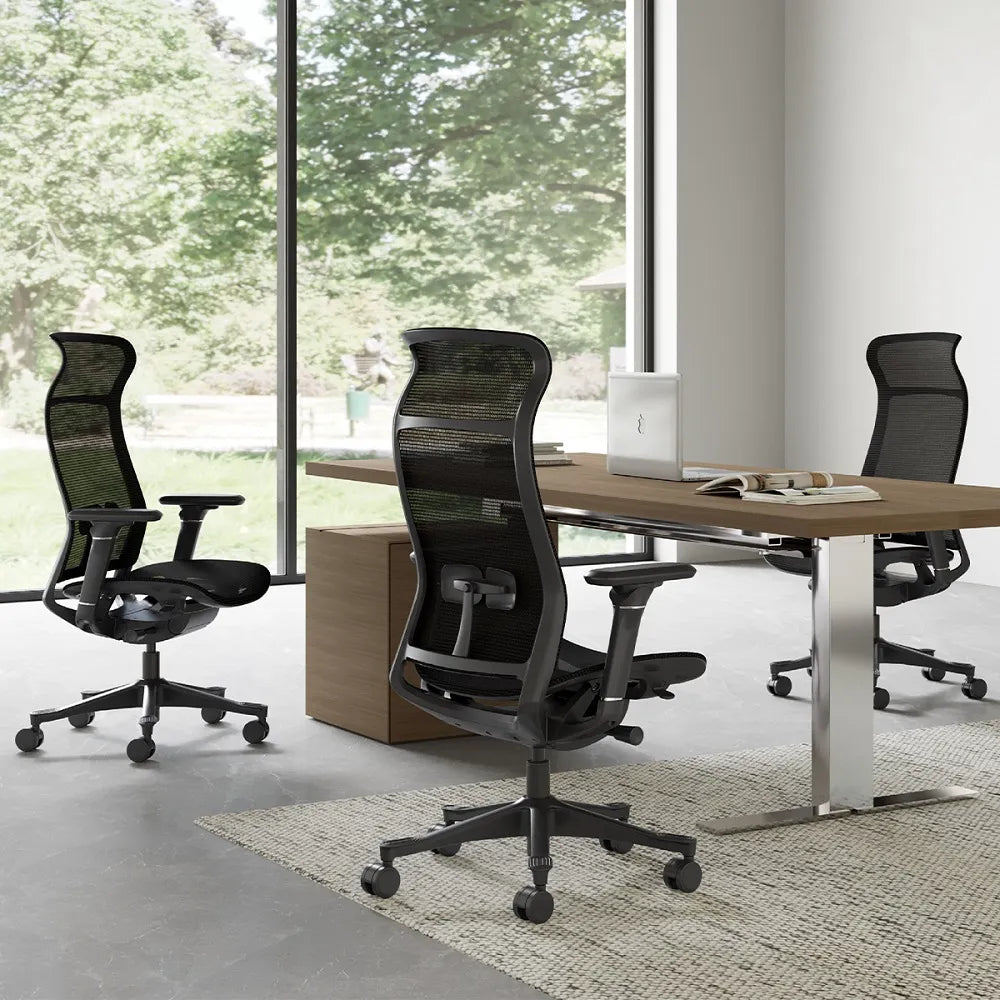
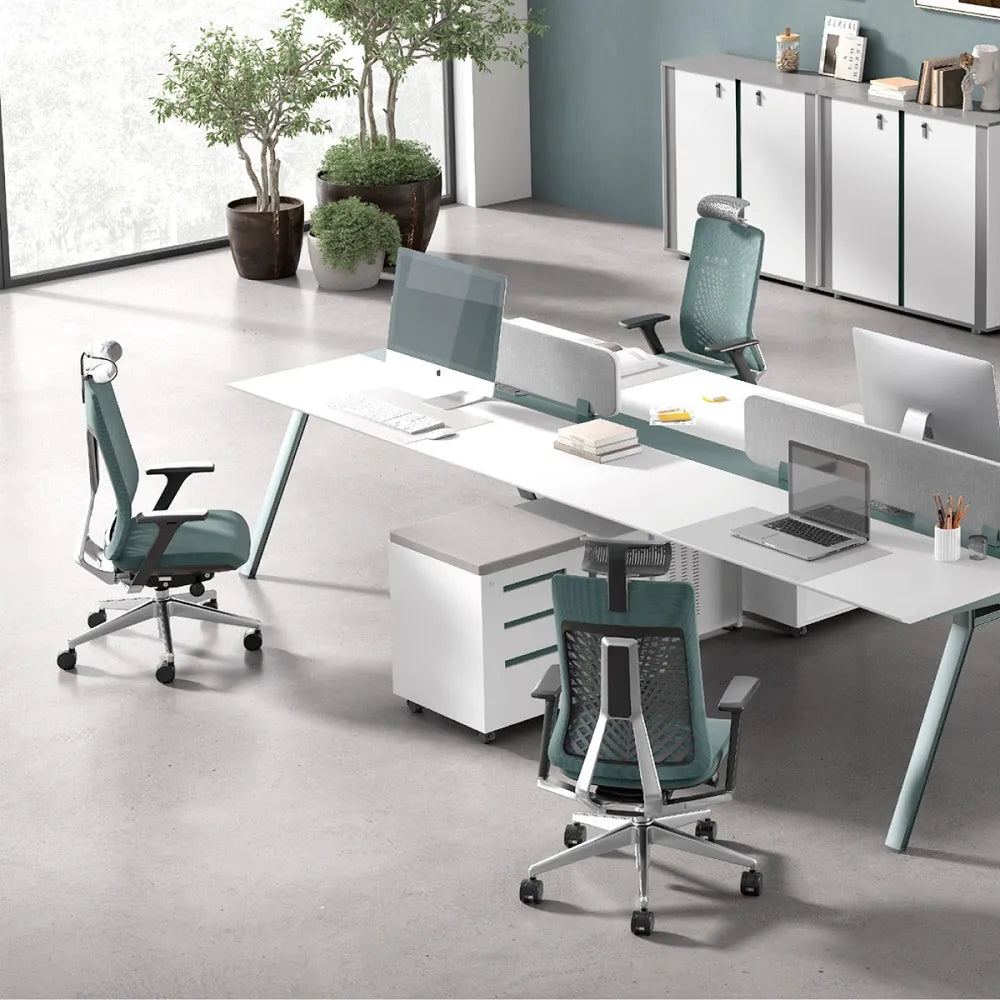
A mesh office chair is a type of ergonomic seating that uses a tightly woven, breathable mesh material across the backrest, the seat, or both. Instead of relying on thick padding or layered foam, the mesh is stretched over a sturdy frame to create a flexible surface that supports your body while still allowing air to flow through. This is what gives a mesh chair its familiar “light and airy” feel, especially compared to heavier leather or upholstered chairs.
From an expert perspective, the most defining part of the design is the tensioned mesh. High-quality mesh uses resilient fibers that adapt to your body without collapsing or losing structure. When the tension is calibrated properly, the chair provides a steady, balanced type of support that encourages better posture and reduces the heat buildup that many people experience with traditional foam seats. This cooling effect makes a mesh office chair particularly appealing to users in warmer or more humid regions, where breathable office seating isn’t just a preference—it’s almost a necessity.
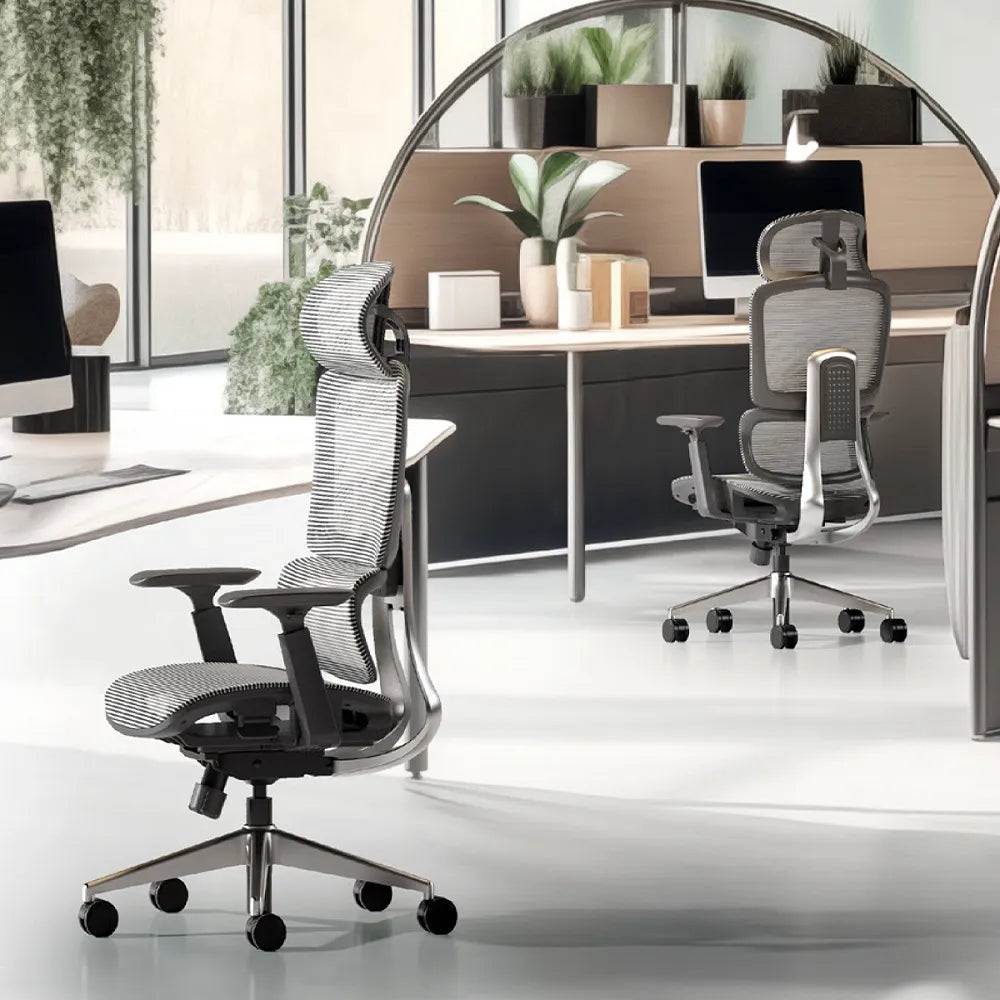
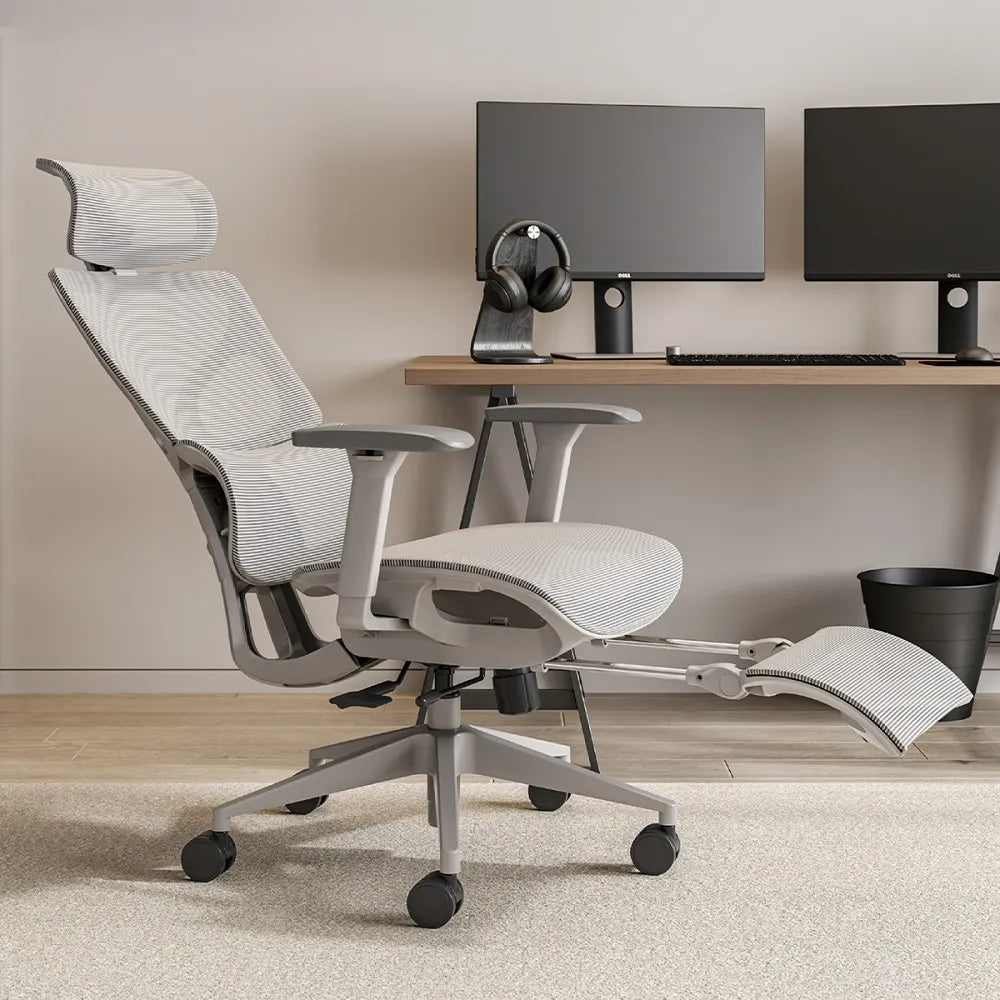
A good ergonomic mesh chair also tends to follow a more contemporary approach to ergonomics. Many models include adjustable lumbar systems, flexible backrests, 3D or 4D armrests, and tilt mechanisms that allow the chair to move with your body instead of forcing you into a rigid, fixed position. When done right, the combination of mesh tension and ergonomic engineering creates a seating experience that feels supportive without being overly firm or restrictive.
It’s also worth noting that not all mesh office chairs perform the same. The quality of the mesh, the density of the weave, the frame structure, and the overall build all play a direct role in comfort and durability. A well-designed ergonomic mesh office chair maintains its shape, keeps your back cool, and distributes pressure evenly during long hours of sitting. Lower-grade mesh, by contrast, may stretch out or sag over time, leading to a lack of support.
A mesh office chair is designed for people who want a cooler, more breathable seating option without sacrificing back support. It suits a wide range of work environments—from home offices to modern corporate setups—and is often chosen for its balance of comfort, practicality, and contemporary style. Whether you're upgrading your workspace, furnishing a team office, or simply looking for a chair that won’t trap heat throughout the day, a mesh desk chair offers a refreshing alternative to more traditional seating.
Why Are Mesh Office Chairs So Popular Today?
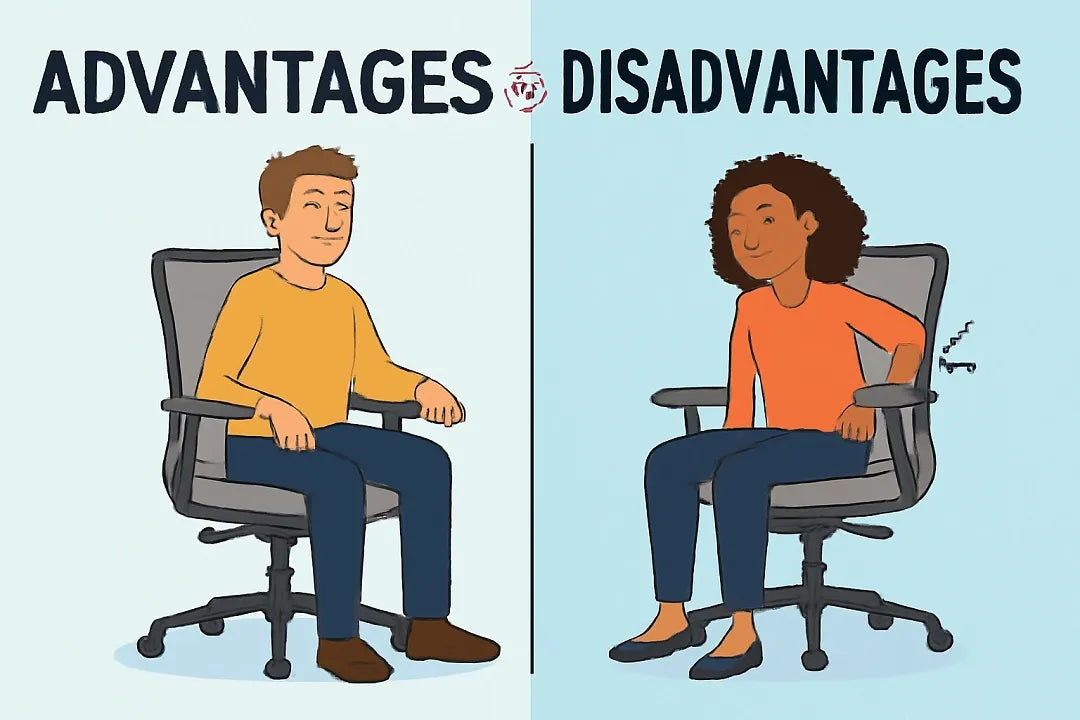
The Advantages of Mesh Office Chairs
Mesh chairs have genuinely useful benefits — especially for people who sit long hours or live in warm, humid regions. Here’s what makes them stand out:
1. Excellent Breathability — Great for Long Hours of Work
One of the biggest strengths of a mesh chair is ventilation. Unlike leather or foam-padded seats that trap heat, mesh allows constant airflow, keeping your back cool even after several hours of sitting.
If you live in a warmer region—or work in an office where air conditioning isn’t always consistent—you’ll feel the difference immediately.
Many users report that switching to a mesh office chair reduced sweating, back discomfort, and overall fatigue throughout the workday.
2. Better Ergonomic Support and More Adaptive Backrest
Good mesh office chairs are designed with ergonomics in mind. Mesh naturally molds to your back and distributes pressure evenly. Instead of forcing you to adapt to the chair, the chair adapts to you.
Higher-end ergonomic mesh chairs usually include:
- Adjustable lumbar support
- Multi-position tilt lock
- Synchronous tilt mechanism
- Adjustable headrest
- 3D or 4D armrests
- Seat height and depth adjustment
This combination allows your spine to stay in a neutral, healthy posture—something that thick padded office chairs often fail to provide.
Users who sit for long hours often describe mesh chairs as “supportive without being restrictive.”
3. Lightweight and Easy to Move — Perfect for Flexible Workspaces
Mesh office chairs are noticeably lighter than bulky leather or cushioned chairs. This makes them:
- Easy to clean
- Easy to move between rooms
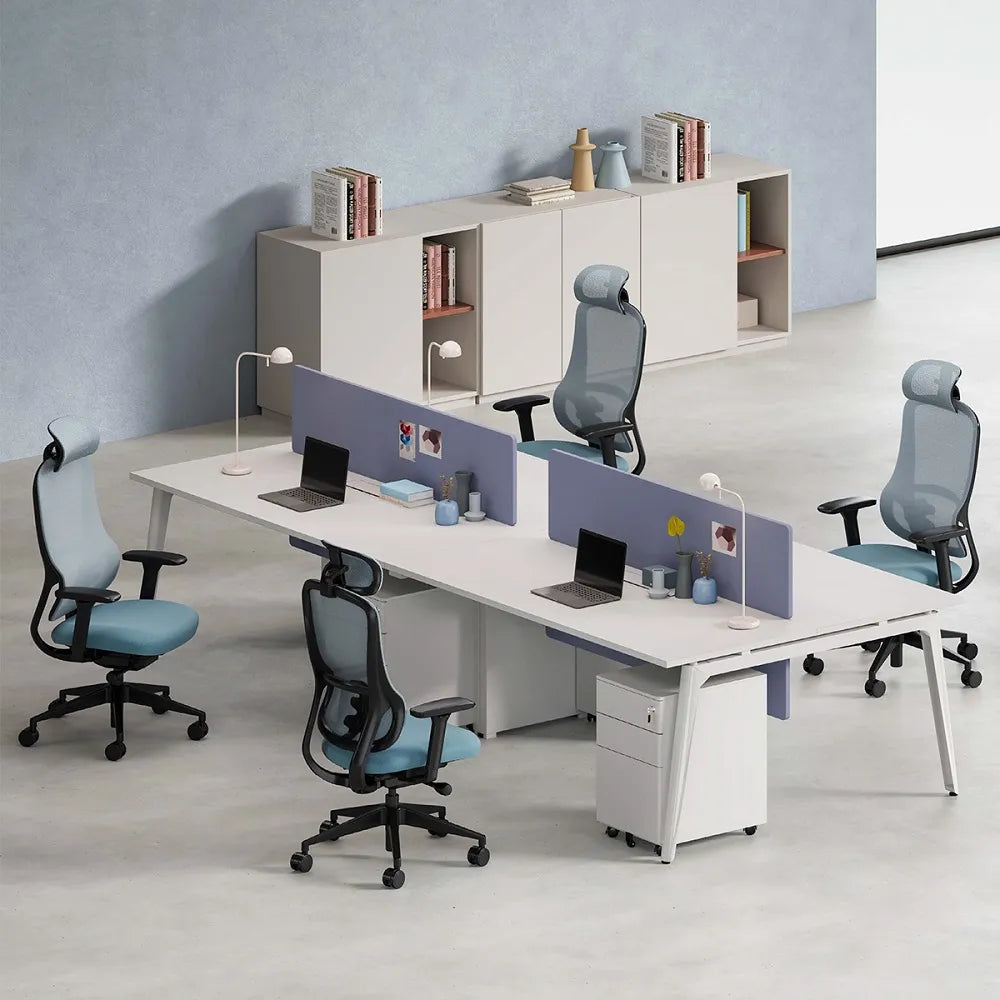
- Ideal for shared workstations
- Perfect for offices that frequently rearrange layouts
4. Modern, Minimalistic Look That Fits Many Interior Styles
Mesh office chairs naturally look modern and stylish. The semi-transparent mesh, curved backrest, and slim frame make them ideal for tech offices, creative studios, and home workspaces.
5. Lower Maintenance Cost and Higher Long-Term Durability
High-quality mesh does not peel, crack, or deform the way faux leather and low-density foam do. A good mesh chair typically lasts 5 to 8 years or more.
They offer excellent long-term value for:
- Businesses
- Government offices
- Wholesalers
- Retail brands
- Large corporations
Potential Disadvantages of Mesh Office Chairs
1. Poor-Quality Mesh May Lack Proper Support
Cheap mesh may:
- Sag over time
- Feel overly stretchy
- Lack lumbar support
- Cause uneven pressure
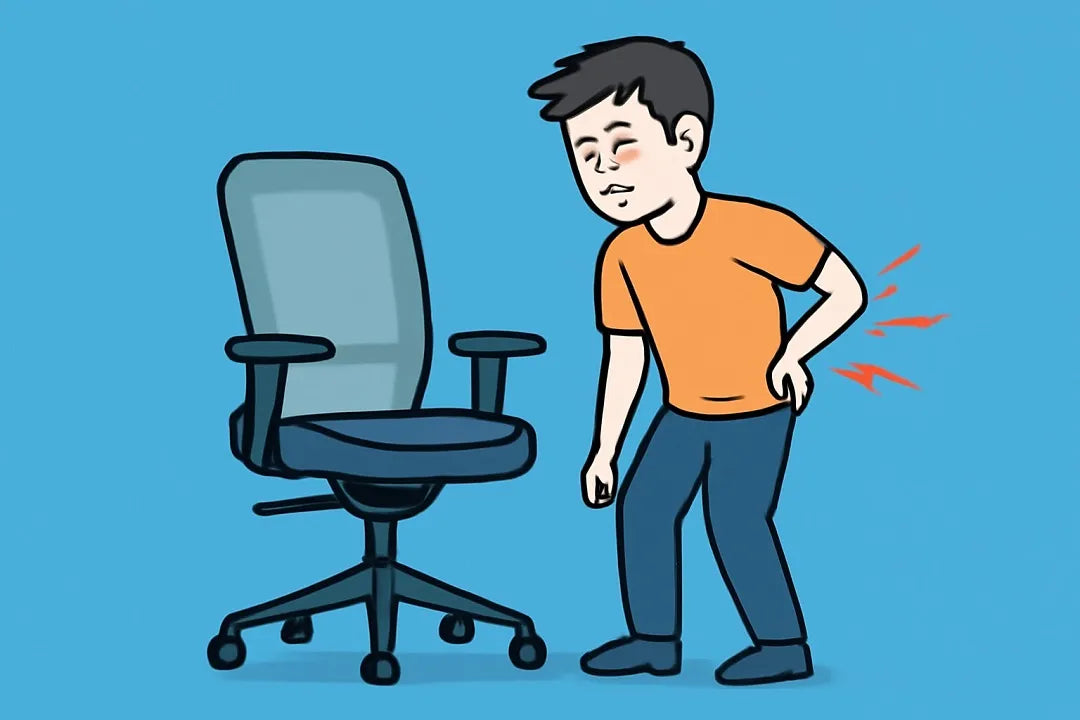
This is why some people say “mesh chairs hurt my back.”
The issue isn’t mesh—it’s bad mesh.
Look for:
- High-density elastic mesh
- Dual-layer mesh
- Adjustable lumbar support
- Ergonomic certification
2. All-Mesh Seats May Feel Firm for Some Users
Mesh seats can feel:
- Firmer
- Less cushioned
- Pressured under the thighs
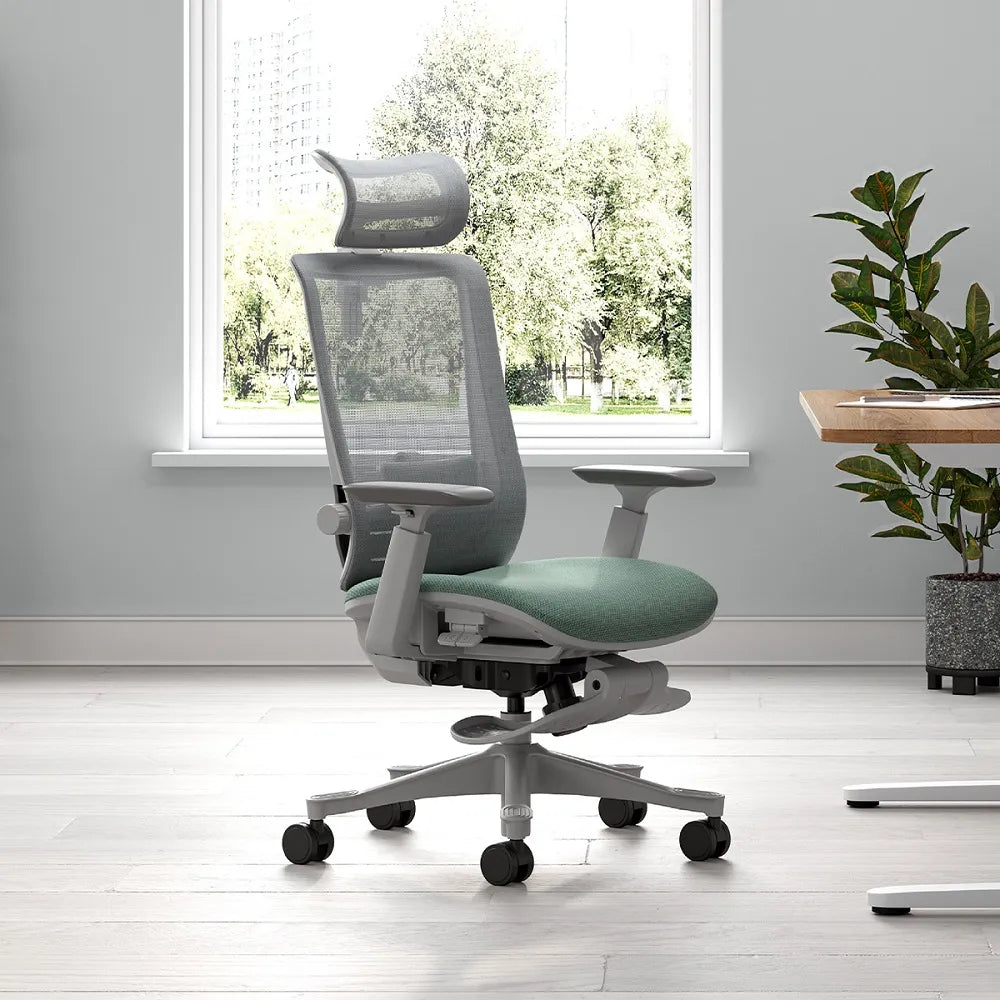
This is why many premium chairs use molded foam seats with mesh backs.
3. Mesh Can Feel Cool in Winter
The same breathable mesh that keeps you cool in summer may feel cold in winter.
4. Weight Capacity Depends on Build Quality
High-quality mesh chairs with:
- Aluminum base
- Class-4 gas lift
- Steel frame
Can support 250–330 lbs.
Low-end models with:
- Plastic bases
- Low-grade gas lifts
are less durable and potentially unsafe.
Choose BIFMA or EN1335 certified chairs for reliability.
3. Who Are Mesh Office Chairs Best For?
Mesh office chairs work exceptionally well for:
- Professionals who sit long hours
- Tech teams and creative departments
- Remote workers
- Shared workspaces / hot-desking setups
- Warm or humid climates
- Businesses upgrading from old chairs
- Furniture wholesalers and retailers
4. Who Should Avoid Mesh Office Chairs?
Avoid mesh chairs if you:
- Prefer soft, cushioned seating
- Like a “wrapped” seating feel
- Are sensitive to cold air
- Need extra-heavy-duty support (unless choosing reinforced premium mesh models)
How to Choose the Right Mesh Office Chair (Expert Buying Tips)
1. Mesh Quality and Density
Look for dual-layer mesh or high-elasticity mesh that is firm, breathable, and resistant to sagging.
2. Real, Adjustable Lumbar Support
Seek height-adjustable, depth-adjustable, or dynamic lumbar systems.
3. Seat Design and Comfort
Best combination: molded foam seat + breathable mesh or fabric covering.
4. Synchronous Tilt Mechanism
A synchro-tilt mechanism reduces lower back pressure and maintains natural posture.
5. Safety and Durability Standards
Choose chairs with:
- Class-4 gas lift
- Aluminum or reinforced nylon base
- BIFMA / EN1335 certification
Final Thoughts
Choosing the right office chair directly affects your posture and long-term comfort. Mesh office chairs became popular because they offer airflow, ergonomic flexibility, and modern aesthetics — but they’re not perfect for everyone.
If you sit long hours, live in a warm climate, or prefer breathable support, a mesh office chair is one of the smartest investments you can make. Just avoid choosing based on price alone — a high-quality mesh chair stays supportive, keeps its tension, and helps you work comfortably for years.
Read more: 13 Best Office Chairs That SOLVE Back Pain (2026 Expert Guide)
FAQs About Mesh Office Chairs
1. Are mesh office chairs good for long hours of sitting?
Yes. A well-designed mesh office chair offers airflow and ergonomic support suitable for 6–10 hours of daily work.
2. Do mesh chairs sag over time?
Low-quality mesh may sag, but high-elasticity dual-layer mesh maintains tension for years.
3. Are mesh office chairs comfortable for heavier users?
Yes—with a reinforced frame, Class-4 gas lift, and aluminum base.
4. Mesh seat vs. foam seat: which is better?
Mesh seats are cooler; molded foam seats provide softer cushioning. A hybrid design offers both.
5. Is a mesh office chair worth it?
For most people—especially in warm climates—the answer is yes. Mesh chairs are cooler, lower-maintenance, and longer-lasting than leather or fabric chairs.

Leave a comment
All comments are moderated before being published.
This site is protected by hCaptcha and the hCaptcha Privacy Policy and Terms of Service apply.